Finding quality content on streaming services often feels like digging through a bargain bin. The algorithm pushes generic action movies and rom-coms because they are safe, easy bets for casual viewing. However, hiding beneath the surface are must see gems on Netflix that challenge the viewer rather than just pacifying them.
This month brings a focus on high-concept science fiction and visceral horror. These films demand total engagement and a proper home theater setup to appreciate the deep blacks and complex sound design. If you are watching these on a phone or a cheap TV app, you are missing half the experience.
Oxygen
High-concept thrillers often fail because they run out of narrative steam halfway through the second act. Oxygen (2021) takes the riskiest bet in cinema by locking the camera in a box the size of a coffin for the entire runtime. It is a masterclass in tension that relies entirely on the performance of a single actor and the terrifying reality of running out of air.
The film follows a woman who wakes up in a cryogenic unit with no memory of her identity or how she arrived there. Her only companion is MILO, an AI interface that is helpful enough to answer questions but cold enough to remind her that her reserves are dropping. She must piece together her past before the percentage hits zero.
The technical filmmaking here is the standout feature. Director Alexandre Aja finds impossible angles within a confined space, using lighting cues to shift the mood from clinical to terrifying. Mélanie Laurent delivers a panic-inducing performance that feels uncomfortably real, anchoring the high-stakes premise in genuine human emotion.
Why The Tech Matters For Oxygen
This film lives and dies by its black levels. The interior of the pod is lit by harsh LEDs against deep shadows, which often look blocky on standard definition streams. Watching this on hardware that supports Dolby Vision ensures the contrast holds up without crushing the details.
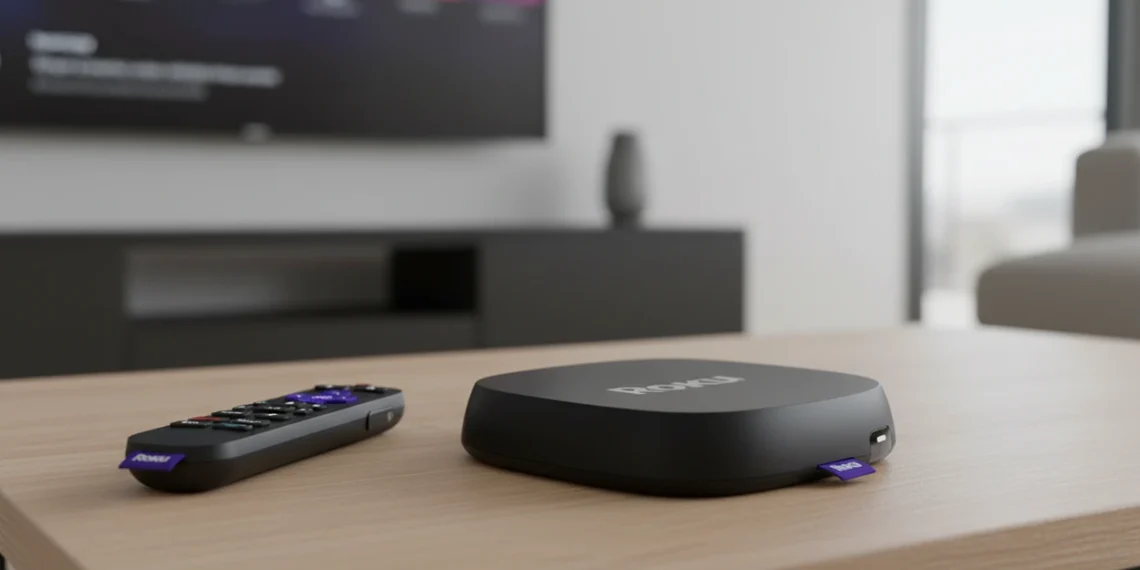
Furthermore, the sound design is incredibly subtle, featuring the hiss of air and the hum of the processor. If you use a Roku Ultra 4K, the “Private Listening” feature allows you to pipe that audio directly to headphones. This intensifies the isolation and makes the claustrophobia feel tangible.
The Platform
Spanish cinema has a reputation for delivering horror that is both intellectually stimulating and physically revolting. The Platform (2019) is a brutal social allegory that hits harder than almost anything else in the genre. It forces the viewer to confront uncomfortable truths about greed, resource distribution, and human nature under pressure.
The setting is a vertical prison known as “The Pit,” where a platform of lavish food descends from the top floor to the bottom. The people at the top eat like kings, while the people at the bottom eat scraps or nothing at all. The horror stems from the desperation of the prisoners and the randomized monthly floor swaps that turn yesterday’s elite into today’s starving victims.
Why The Tech Matters For The Platform
The Platform uses a specific color palette to denote status and misery. The grays of the concrete need to look distinct from the dark blood and the vibrant food. A robust streaming stick like the Amazon Fire TV Omni 4K handles the high bitrate required to keep those textures sharp during fast-motion scenes.
Be warned that this movie is disgusting and does not shy away from gore or bodily fluids. It is not a casual watch for a relaxing evening. However, if your connection lags or your hardware buffers during the chaotic third act, the tension evaporates instantly.
Annihilation
Alex Garland’s Annihilation (2018) defines the concept of “Cosmic Horror.” It is beautiful, confusing, and deeply unsettling. Based on the novel by Jeff VanderMeer, it explores the idea of self-destruction through a sci-fi lens that feels more like a fever dream than a standard alien invasion movie.
A biologist joins a team of scientists entering “The Shimmer,” a mysterious quarantine zone where the laws of nature are mutating. Animals, plants, and even time behave differently inside the barrier. As the team pushes toward the lighthouse at the center, their minds and bodies begin to change, mirroring the environment around them.
Why The Tech Matters For Annihilation
This is the ultimate test for your HDR (High Dynamic Range) capabilities. The Shimmer creates a color spectrum that standard definition simply cannot reproduce. The oil-slick refractions and glowing mutations need wide color gamut support to look correct.
Watching this on a subpar internal TV app often results in “color banding,” where the glowing lights look like stripes instead of a smooth gradient. A dedicated 4K streaming player ensures the processor can render these complex visuals without choking. The electronic score in the finale creates a sense of dread that demands high-fidelity audio processing.
The Bottom Line
These three films represent the ceiling of what streaming content can look like when it is done right. Oxygen tests your audio dynamic range, The Platform tests your stomach, and Annihilation tests your display panel.
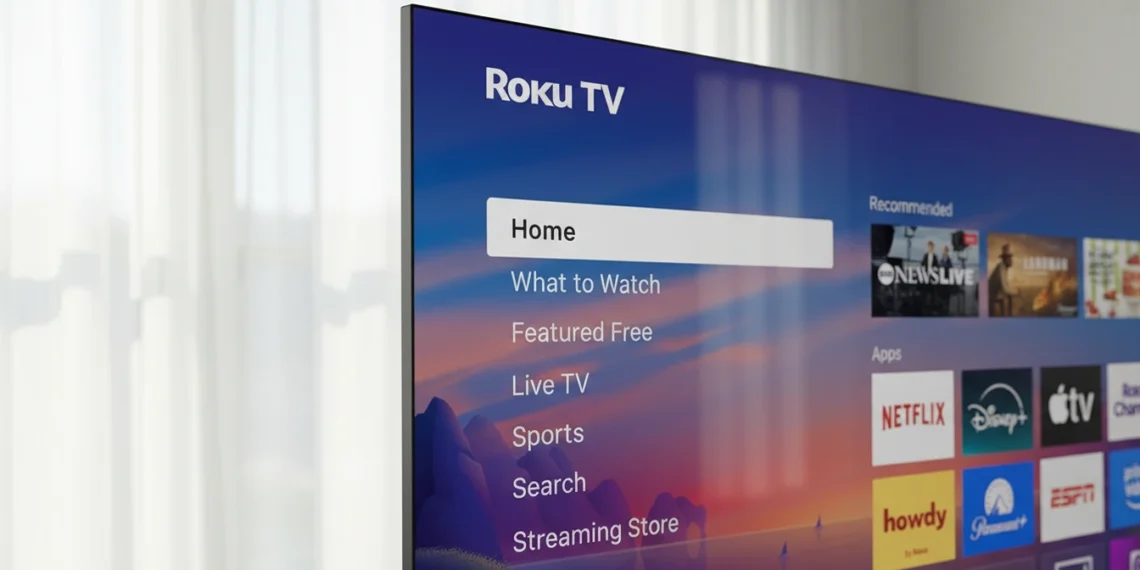
Relying on the slow, outdated processor built into a smart TV does a disservice to this level of filmmaking. The navigation is sluggish, the apps crash, and the video processing is often years behind current standards. Upgrading to a dedicated player creates a snappy, cinema-quality experience that respects the art form.
Alternative Suggestion
If you want the cleanest interface and a headphone jack built right into the remote for private listening, the Roku Ultra 4K is the best tool for the job. However, if you are already heavily invested in the Amazon ecosystem and want the fastest processor available for a smooth UI, the Amazon Fire TV Omni 4K is the smarter buy.