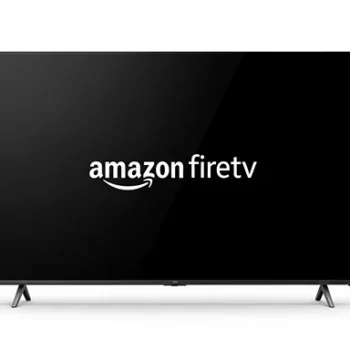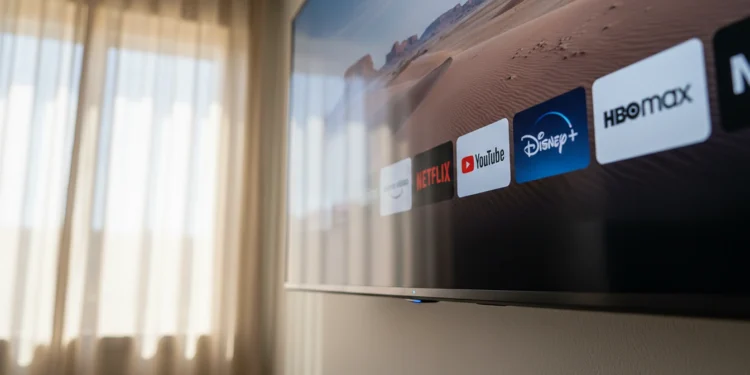
Sitting on a sofa at night should be a time to relax without a piece of hardware watching your every move. That glowing blue light on the bottom of the bezel is a technical mess that interrupts the vibe of a dark room. It’s a constant reminder that the amazon fire tv omni microphones are active and waiting for a trigger word that might happen by accident.
Most folks assume a new screen is just a tool for movies, but this unit feels more like a data center for the manufacturer. Bringing this device into a home means accepting a specific concern that most buyers ignore until they see that light for the first time. The hardware engineering on this set proves that your privacy is a trade off for a lower price point.
Hardware Spies and the Blue Light Headache
That intense blue glow isn’t just an aesthetic choice by the design team. It signals that the far-field microphones are powered up and listening for a command. Seeing that light while trying to enjoy a movie is irritating and feels like a total surveillance trap.
Technical findings on how these sensors work suggest that the hardware is always on the lookout for acoustic patterns. Even if you think you’re alone, the mics are filtering background noise to find a reason to wake up. This constant state of readiness is a primary reason to second guess if an integrated screen is the right move for your living room.
The Privacy Switch Is Just a Bandage
Manufacturers included a physical toggle on the bottom of the frame to kill the power to the mics. Flipping that switch turns the blue light into a red light, which is even more distracting during a dark scene. It’s a clumsy engineering fix for a problem that shouldn’t exist in a standard home display.
Disabling the hardware mics also kills the hands free features that most people bought the unit for in the first place. You end up with a crippled device because the “smart” features are tied directly to the surveillance hardware. It’s a technical mess that leaves the user with a difficult choice between utility and peace of mind.
Why the Integrated Microphones Feel Gross
Most smart home gear stays small and out of sight, but these mics are built into the biggest screen in the house. The technical truth is that this hardware has a better “ear” than a tiny speaker on a kitchen counter. It captures the sounds of a whole room with ease, which makes the Big Brother comparison feel very real.
I found that the software often triggers by mistake when a character on the screen says something that sounds like the wake word. Suddenly, the blue light flashes and the movie is interrupted by a digital assistant asking for orders. This friction ruins the immersion and proves that the engineering isn’t refined enough for a high quality cinema setup.
Buying Into a Surveillance Loop
Cheaper hardware is often subsidized by the data these microphones can gather over a three or four year lifecycle. The brand makes a profit by learning your habits, your voice patterns, and the products you talk about while sitting on the couch. It’s a cynical way to lower the entry cost while draining your privacy every night.
The technical outcomes of this data harvesting are clear when you start seeing ads that match your private conversations. Your television is no longer just a display; it’s an active participant in a marketing machine. Savvy buyers are starting to realize that the “convenience” of hands free commands comes with a heavy hidden cost.
Software Decay and the Boat Anchor Risk
Integrated apps in these sets are designed to slow down long before the screen itself fails. You might have a great 4K panel, but the internal chips will struggle to run the microphones and the interface after a couple of updates. This engineering choice is a technical trap that forces people to buy new gear way too often.
Standalone boxes avoid this problem because they have better cooling and dedicated processing power. The hardware inside a TV is squeezed behind a hot panel, which leads to thermal issues that kill the speed of the software. You end up with a boat anchor on your wall that can’t even load a menu without freezing up.
Finding a Better Way to Watch
Treating a high quality screen like a “dumb” monitor is the only way to get your privacy back. You can buy the hardware for the visual results and then never connect the internal software to your home network. This technical win kills the microphones and stops the surveillance loop instantly.
Using a separate unit for your apps ensures that the interface stays fast and the data stays more secure. These standalone units get regular updates and have the processing muscle that built-in software lacks. You get a better result for your movie night and you stop being a data source for a massive corporation.
The Final Outcome for Your Living Room
Integrated systems are a convenient lie that most buyers accept because they don’t know the technical truth. The trade offs for privacy and hardware longevity are just too high to recommend these units as a total solution. I’d rather have a reliable screen that stays out of my business than a “smart” set that is constantly listening.
Stop letting these brands turn your home into a data center. Buy the gear for the screen clarity and then cut the link to their tracking servers. It is the only way to ensure your hardware works for you instead of the other way around. Dedicated boxes are the only path to avoiding the surveillance traps of the current market.
The hands free Alexa engineering on the Amazon Fire TV Omni handles a smart home well for some users while the technical results for the Roku Ultra hardware identify a more private path for movie night.