High-end tech brands often turn basic household tools into luxury status symbols. This latest Google hardware follows that predictable path. Every buyer wants to know if Does the Nest 4th gen actually save enough cash to cover its own heavy price tag.
Google asks for two hundred and forty dollars for this polished silver disc. They bundle a second generation temperature sensor to hide the markup. Three basic programmable units cost the same as this single device.
Visual Jewelry vs Practical Utility
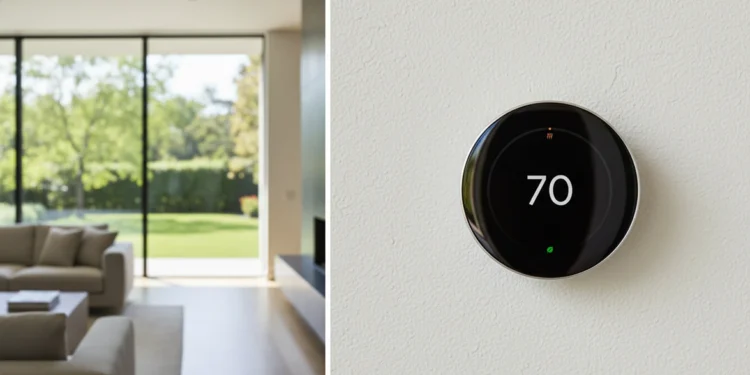
The new display is sixty percent larger and looks great on a modern wall. Dynamic Farsight shows the weather or time from across the room. Specifically, the mirrored glass feels like high-end jewelry rather than a functional tool.
Aesthetics don’t pay the mortgage. Most buyers ignore that a thermostat is a financial investment. If the hardware fails to lower monthly bills, it’s just an expensive wall decoration.
The Energy Bill Myth
Marketing brochures claim twelve percent savings on heating and fifteen percent on cooling. Those numbers look impressive in a sales pitch. Most of those gains come from simple scheduling that any digital device can handle.
Software learns daily habits and finds natural ways to heat the home. It monitors outdoor temperatures to adjust the HVAC system. While helpful, this isn’t a proprietary magic trick exclusive to Google.
Hardware Limitations and the Battery Loop
Included sensors help manage hot and cold spots in specific rooms. The app allows users to prioritize the bedroom temperature at night. This adds comfort but rarely leads to massive utility savings.
Sensors like these often require frequent battery swaps. Buying specialized batteries makes the supposed savings vanish quickly. It’s an annoying maintenance loop that marketing teams rarely mention.
Final Analysis on Value
Installation remains straightforward because most systems don’t need a C-wire. This removes the need for an expensive electrician. Convenience is a benefit, but it shouldn’t be the only reason to spend this much money.
Most interaction happens in the Google Home app rather than on the device. The app experience hasn’t changed enough to feel new. Instead, it feels like a slight skin change for a higher entry fee.
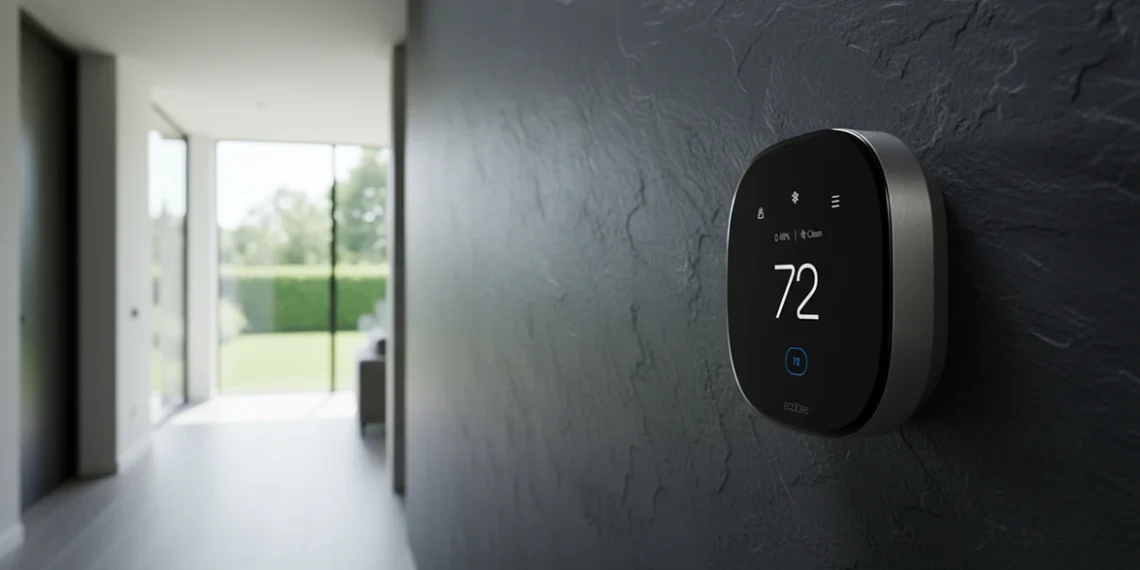
In retrospect, the Google Nest 4th Gen remains available for those who prioritize the mirrored jewelry look, though the Ecobee Smart Thermostat Premium offers far more functional utility for the exact same investment.
Spending nearly three hundred dollars on a luxury thermostat is a poor financial decision for the average household. Stick to functional hardware that actually saves money instead of just looking expensive on a wall.