Most smart home gear feels like a waste of money designed to harvest your data. This assumption usually holds true until a piece of hardware actually provides data that helps you live better. Ecobee Smart Thermostat Premium vs Nest tests usually focus on which looks better on a designer wall.
Hidden Hardware That Actually Works
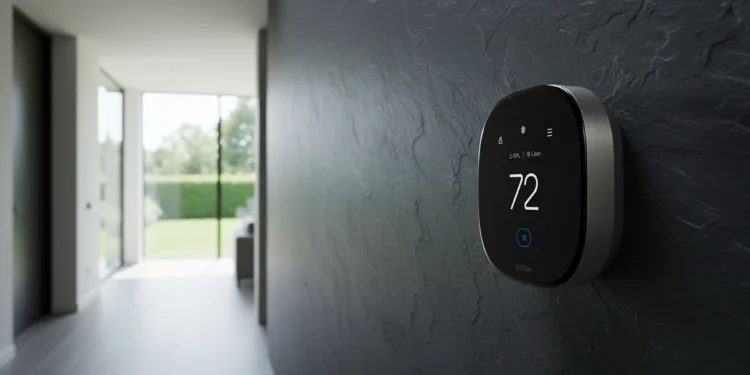
Ecobee didn’t just build another pretty dial for the living room. They stuffed a built-in air quality monitor inside the zinc housing to track VOCs and CO2 levels. Most thermostats only care about the temp, but this hardware actually monitors the air you breathe.
The monitor alerts you to poor air quality and provides tips on how to fix the environment. It even reminds you when to change the furnace air filter based on actual usage. This level of technical utility makes the competition look like a basic light switch.
The Advantage of Radar and Integrated Sensors
The built-in radar technology handles occupancy sensing better than those basic infrared eyes found on cheaper units. It detects your presence through walls and around corners to keep the HVAC from shutting down when you’re still in the room. This level of technical precision makes the Nest look like a primitive motion sensor.
Radar tech also improves home security by detecting movement when you are away. Most users will appreciate the added peace of mind without installing a secondary camera system. The sensors simply work without the constant calibration required by older models.
Sound Detection and Home Safety Features
Finding out that a thermostat can detect the sound of a smoke alarm was a genuine surprise. This feature adds a layer of safety without requiring a separate subscription-based security system. It listens for emergencies and alerts your phone immediately if something goes wrong.
The system also monitors for open windows or doors to pause your heating or cooling. This prevents the HVAC from wasting energy while the house is open to the elements. These are the “hidden gem” features that justify a high-end investment.
Zinc Metal and Sustainable Build Quality
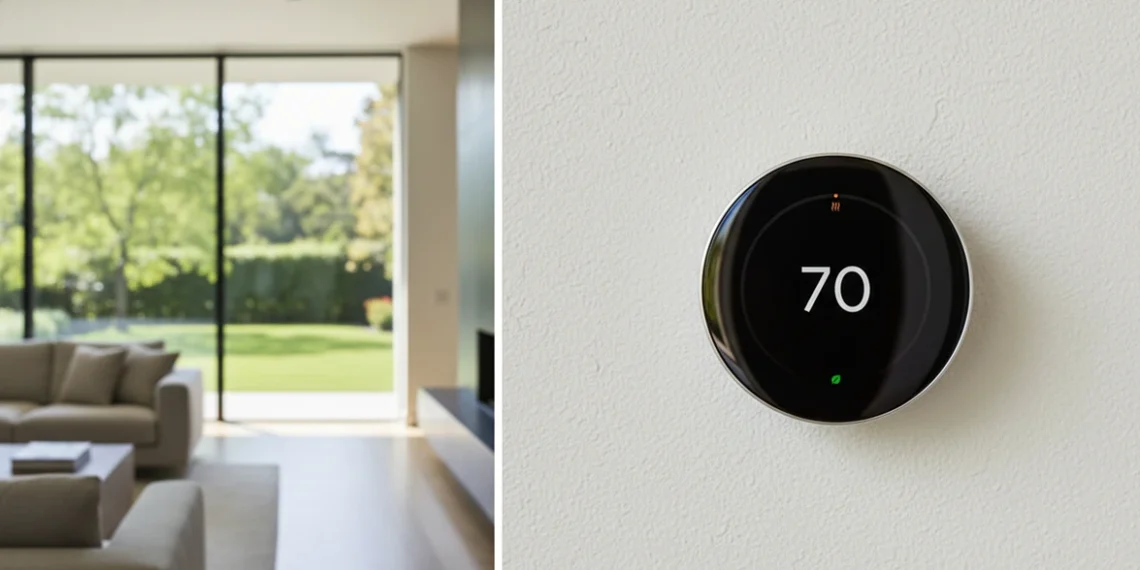
Zinc metallic housing provides a heavy, premium feel that plastic units can’t match. The large glass interface is crisp and remains legible from several angles. Durability matters when you’re mounting something to your wall for the next decade.
The cinematic interface is fast and responsive to every touch. You don’t see the stuttering or lag that often plagues smaller, underpowered smart home hubs. The hardware feels like a professional grade tool designed for long term use.
Comparing Functional Utility Against Aesthetic Jewelry
The Google alternative focuses on a mirrored silver finish that reflects light and looks impressive. Ecobee focuses on the Ecobee Smart Thermostat Premium vs Nest performance delta by providing a remote SmartSensor in the box. This remote sensor eliminates hot and cold spots in the bedroom without an extra forty-dollar purchase.
Matter compatibility ensures this hardware works with every major smart home platform. Alexa and Siri are built directly into the unit, turning the thermostat into a functional smart speaker. You can check the weather or adjust the lighting with a quick voice command while walking past.
Investing in the Ecobee is a smarter move for anyone who values technical data over marketing hype. The air quality monitoring and radar tracking provide a level of utility that justifies the high entry cost. Ecobee Smart Thermostat Premium vs Nest comparisons usually end in a win for the hardware that actually does more.
Choosing the Ecobee Smart Thermostat Premium provides the data-rich sensors I actually want, though the Google Nest 4th Gen remains a solid pick for those who only care about having a mirrored designer finish on the wall.