Smart home tech usually feels like a collection of expensive chores. Manufacturers keep promising “total automation” while I’m still the one pulling hair out of a brush roll every Sunday. I’ve handled enough robot vacuums to know the pattern of hype and disappointment. The Roborock S8 MaxV Ultra is the latest heavy hitter trying to convince me it’s worth the floor space.
It arrives with a spec sheet that looks more like a performance car than a cleaning tool. You get a massive jump in power and a mechanical arm that’s supposed to solve the “corner problem.” I spent a month putting this unit through its paces to see if it actually respects your money. Here is the Roborock S8 MaxV Ultra reality check you need before you commit.
Suction Numbers and the Marketing Myth
The headline feature here is the 10,000Pa suction power. It’s an eye-watering number designed to win a marketing war against every other brand on the shelf. In my living room, it’s mostly just a louder motor. Most daily dirt doesn’t need 10,000Pa of force to move off a hardwood floor.
If you have thick carpets and three long-haired pets, you might see a marginal difference. The S8 MaxV Ultra does a decent job of pulling deep-seated grit out of rugs that older models would ignore. But for the average home, this level of suction feels like overkill. It’s a technical flex that adds noise and drains the battery faster without a massive jump in visible results.
The dual-roller design is the real winner in the suction department. Having two rubber brushes spinning toward each other is much more effective than just high air pressure. It grips the floor and funnels debris into the intake instead of just blowing it around. This is a practical hardware win that actually matters for your daily routine.
The Mechanical Win Why the FlexiArm Actually Matters
Corners are where most robot vacuums go to fail. They usually just bounce off the baseboard and leave a visible triangle of dust in every 90-degree turn. The S8 MaxV Ultra uses a FlexiArm Design side brush to solve this. It’s a physical arm that extends out from the chassis when it detects a corner.
This isn’t a flashy sensor or a software trick. It’s a simple mechanical solution that actually works. I watched it reach into the sharp corners of my kitchen and pull out crumbs that have been there for weeks. It’s a rare moment of engineering honesty in a market filled with useless features.
The Extra Edge Mop follows the same logic. It’s a tiny rotating mop head that reaches the very edge of your baseboards. Most mops leave a two-inch gap of dry floor along the walls. This unit minimizes that gap and ensures the entire floor actually gets wet.
Obstacle Logic and the Pet Waste Problem
No one wants a robot to paint their floor with a pet accident. I’ve heard the horror stories of older vacuums dragging a mess from the kitchen to the bedroom. The Reactive AI 2.0 system is supposed to prevent this with RGB cameras and 3D sensors. It claims to identify 73 different object types in real time.
In my testing, the obstacle avoidance is better than most, but it’s not perfect. It avoided power cords and shoes with impressive accuracy. However, it still occasionally gets bullied by a stray sock or a specific type of furniture leg. It doesn’t require a babysitter, but you should still clear the major clutter before you start a cycle.
The “Hello Rocky” voice assistant is where the logic starts to fail for me. I already have enough devices listening to me in my own home. I don’t need to talk to my vacuum to get it to clean the kitchen. This feels like a useless tax on your sanity and a waste of development time that adds no real value.
Managing the Maintenance Hub Reality
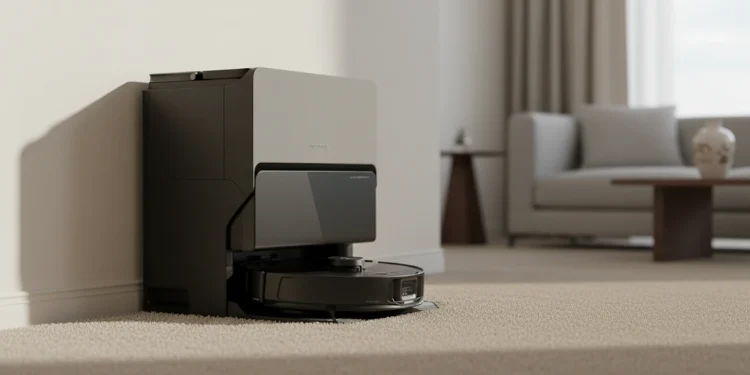
The all-in-one dock is a vertical beast that demands a dedicated corner of your home. It’s supposed to automate every annoying part of the cleaning process. It washes the mop with hot water and dries it with warm air so it doesn’t smell like a wet dog. For a busy person, this is the part of the system that actually earns its keep.
The dock also self-empties the dustbin and refills the water tank. It sounds like total freedom, but you still have to manage the machine. You’ll be swapping heavy water tanks and cleaning the dock’s internal filters every few weeks. It’s a shift in chores, not a total elimination of them.
I appreciate the detergent dispenser that automatically mixes the cleaning solution. It takes the guesswork out of the mopping process and keeps the floors looking polished. But remember that you’re adding another consumable cost to your budget. This is a high-maintenance machine designed to provide a low-maintenance life.
Is Your Investment Respected
So, does the Roborock S8 MaxV Ultra actually respect your bank account? If you are a pet owner with a mix of high-pile carpet and hardwood, the answer is a begrudging yes. The 10,000Pa suction and the FlexiArm provide a level of clean that cheaper units simply can’t match. It’s a powerful tool for someone who values their time more than their money.
But for the average apartment dweller, this hardware is an expensive ego trip. You can get 90% of this performance for much less if you’re willing to give up the voice assistant and the edge-cleaning arm. The Roborock S8 MaxV Ultra reality check is that you are paying a massive premium for the final 10% of automation.
My final take is simple. Buy it for the mechanical brushes and the hot-water dock, not the AI marketing jargon. It’s a solid piece of hardware that actually solves the corner problem, but it expects a lot from your budget in return. Don’t pay for the hype if your home doesn’t actually have the mess to justify it.
Check the current availability of the Roborock S8 MaxV Ultra here to see if the price has finally dropped to a reasonable level.
Roborock S8 MaxV Ultra
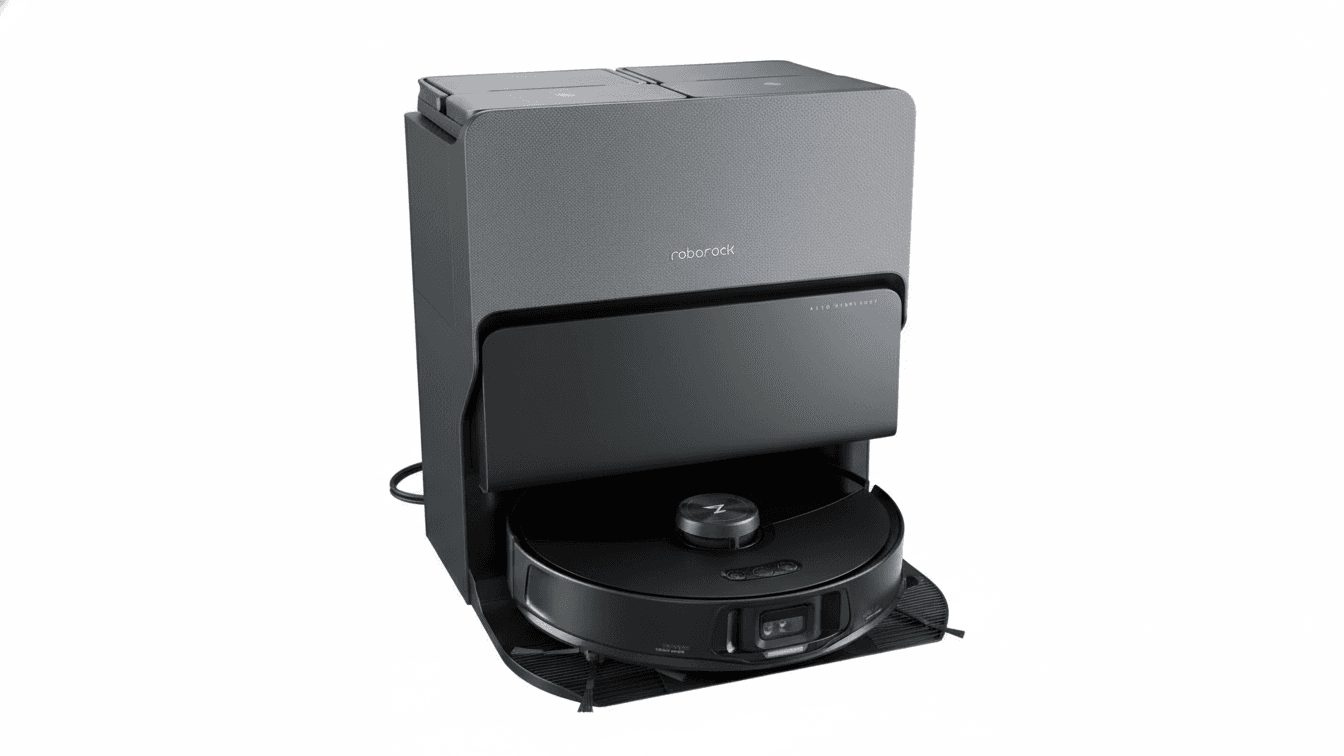
Roborock S8 MaxV Ultra Vacuum
Aggressive 10,000Pa suction and a mechanical FlexiArm solve corner cleaning. Its automated dock washes mops with hot water for total hands-off maintenance.