Is a used iPhone 15 Pro worth it or are you just buying someone else’s returned headache? Spending over a grand on a brand new phone feels like a scam when the renewed market is this active. You’re essentially paying a massive premium just to be the first person to peel off a plastic sticker.
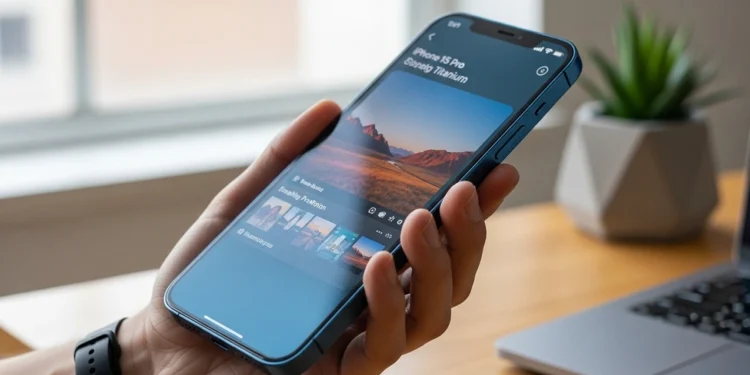
I grabbed a Blue Titanium iPhone 15 Pro from the used bin to see if the savings are actually worth the stress. Most reviewers treat these like they’re factory-fresh, but I’m looking for the cracks in the armor. It’s about the cost-to-performance ratio and whether your wallet survives the transaction.
There’s always a risk when you aren’t buying directly from the mothership in Cupertino. Hardware failure is the ghost that haunts every used purchase. You don’t get the same warranty safety net you’d get at the Apple Store.
Blue Titanium Reality Check
The first thing you notice about the 15 Pro is the weight. Apple ditched the heavy stainless steel for titanium, and it actually makes a difference in your pocket. It’s noticeably lighter, though the Blue Titanium finish is a total magnet for fingerprint smudges.
If you’re expecting a pristine jewelry piece, a renewed unit might disappoint you. Mine arrived with a tiny nick near the USB-C port that tells a story of the previous owner’s bad aim. It doesn’t affect the screen, but it’s a reminder that renewed isn’t new.
Don’t get too excited about the Action Button either. I thought I’d use it for something cool, but it mostly just sits there doing nothing. It’s a solution looking for a problem that Apple hasn’t solved yet.
Performance and the Battery Health Gamble
Inside is the A17 Pro chip, which is supposed to be some legendary powerhouse for gaming. In reality, it just means your apps open half a second faster than they did on the 14 Pro. Unless you’re trying to run console-level games on a six-inch screen, it’s mostly overkill for the average user.
The real risk with any used tech is the battery. My unit showed up with 91 percent maximum capacity, which is acceptable but not great. You’ve got to ask yourself if saving three hundred bucks is worth losing that chunk of daily runtime.
If the logic board decided to quit next month, you’re left holding an expensive blue paperweight. Most renewed sellers offer a 90-day window, but that’s a blink of an eye compared to a standard year-long warranty. You’re trading peace of mind for cash.
The USB C Transition and Why It Matters
Finally having a phone that uses the same cable as my laptop is a relief. It’s not some world-shifting event, but it’s a practical upgrade that should’ve happened years ago. No more hunting for a Lightning cable in a drawer full of USB-C stuff.
The data transfer speeds are higher, but who actually plugs their phone into a computer anymore? Everything lives in the cloud now. Still, it’s nice to know the port isn’t a proprietary dead end.
Charging is straightforward, though I did notice the phone gets uncomfortably warm when fast charging. It’s a common complaint with the 15 Pro series that hasn’t totally gone away with software updates. It makes you wonder what that heat is doing to the long-term health of the internals.
Camera Quality for People Who Arent Directors
The 48MP main sensor is good, but let’s be honest. Most of your photos are going to end up on social media where the compression kills the detail anyway. The 5x zoom is reserved for the Max model, so on the standard Pro, you’re stuck with 3x.
It’s a solid camera, but it won’t turn you into a professional photographer overnight. It takes great shots in low light, which is the only time most people actually notice a difference. The rest of the time, it’s just a very expensive point and shoot.
Video quality remains the best in the business. If you’re a creator, this is probably the only reason to actually buy the Pro over the base model. Everyone else is just paying for bragging rights they don’t need.
| Camera Feature | Benefit for Creators | Value for Average Users |
| 48MP ProRaw | Massive Editing Flex | Wastes Storage Space |
| ProRes Video | Industry Standard | Total Overkill |
| Night Mode | Important for Pro Work | Occasionally Useful |
Pros and Cons for the Skeptical Buyer
I don’t believe in paying a premium for the shiny box and the Apple Store experience. You’re essentially paying a massive fee to be the first person to get your fingerprints on the glass. I’d rather let some other guy take the three-hundred-dollar depreciation hit on day one.
If the logic board dies after the 90-day window, you’re on your own. However, the price gap between new and renewed is usually big enough to cover a screen or battery repair. It’s a calculated move that treats tech like a tool rather than a status symbol.
You’ve got to be honest about what you actually need. Most people don’t need a factory-fresh battery if they’re always near a charger anyway. I’m fine with a few scuffs if it means I can keep that extra cash in my pocket.
| Value Component | Renewed Path | Retail Trap |
| Initial Cost | Drastically Lower | Full Retail Tax |
| Resale Value | Stable | Instant 20 Percent Drop |
| Risk Profile | Hardware Gamble | Warranty Safety |
The Cold Hard Truth About Renewed Savings
I’m convinced that buying new is just a vanity project for people who like wasting money. If you can handle a battery that isn’t perfect and a few tiny scratches, the renewed iPhone 15 Pro is the only logical choice. You get the same speed and the same cameras without the predatory price tag.
Is a used iPhone 15 Pro worth it? It’s a yes, but keep your eyes open for hardware quirks. Don’t let the Apple marketing machine convince you that a new box is worth three hundred dollars. Take the savings and go buy something else you actually need.
Apple iPhone 15 Pro
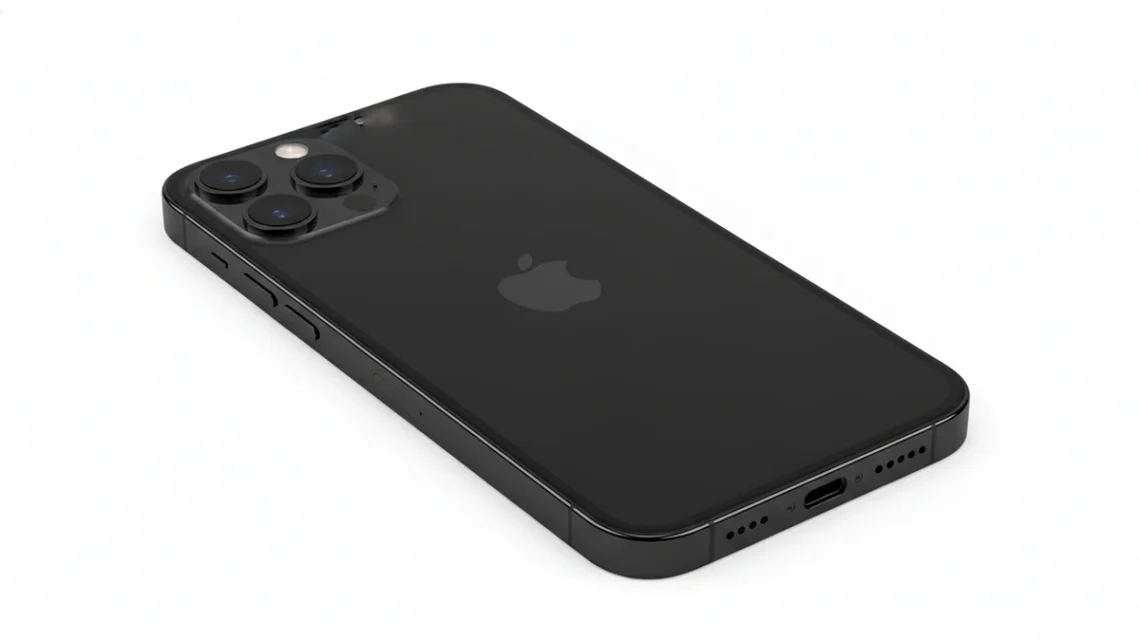
Apple iPhone 15 Pro (Renewed)
Super Retina XDR 6.1″ display with ProMotion technology, Ultra Wid 48MP Pro camera system with up to 29hrs video playback