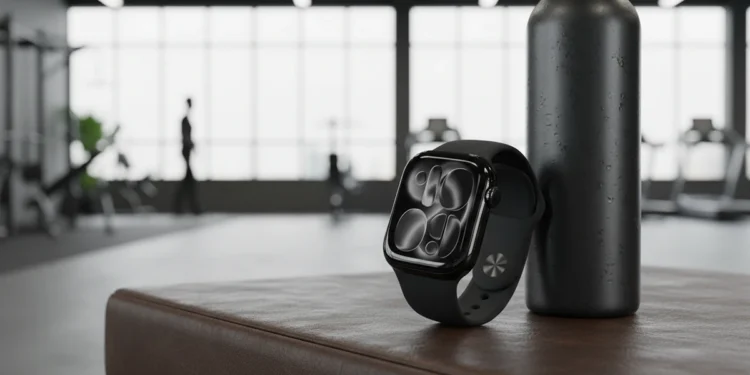
I’ve spent a week with the latest wearable from Apple, and I’m seeing a pattern that bothers me. Most folks pick up the Apple Watch Series 11 because it looks sleek in Jet Black, not because they need a health tracker. If you’re just buying this to match your outfit, you’re spending a lot of cash on tech you’ll never touch.
The technical side of this hardware is where the real value lives. I dug into the sensors to see if they actually change your routine or just sit there. It turns out that if you don’t care about your sleep data or heart health, this device is just an overpriced clock.
Health Engineering and Technical Findings
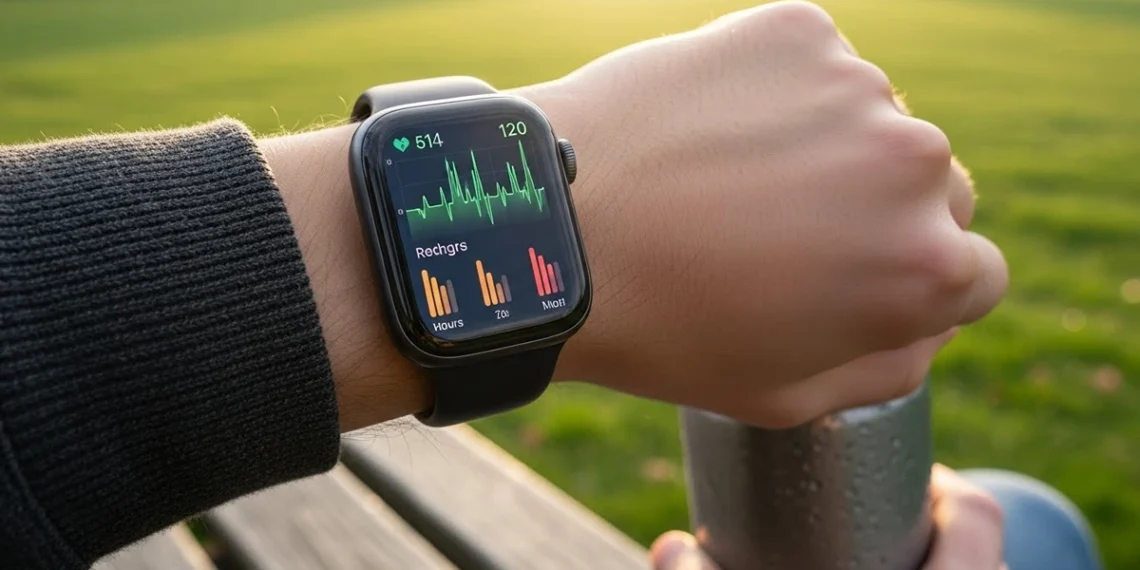
The biggest win for the Series 11 is the hypertension detection logic. Apple Intelligence now uses the data from your wrist to spot signs of high blood pressure before you even feel a symptom. It’s a specialized tool that turns the watch into a preventative health monitor.
I also took a look at the Sleep Score and Vitals app. The sensors are exceptionally sensitive, catching subtle shifts in your heart rate and oxygen levels while you’re out cold. If you aren’t using these stats to fix your habits, you’ve bought the wrong product.
[IMAGE: Jet Black Apple Watch Series 11 showing vitals on a sunlit wrist]
Daily Fluidity and Battery Facts
The speed of the A18-based internal chip is undeniable. Apps open instantly, and the always-on display stays bright without draining the whole system. I found that the software handles tasks with a snap that makes older models feel ancient.
Battery life is still the main sticking point. You’ll get abimageout 24 hours of normal usage before you need a plug. The upside is the fast charging which gives you eight hours of usage in just fifteen minutes. It’s a fair trade if you’re okay with a quick morning charge while you grab coffee.
Build Quality and Hardware Resilience
The Jet Black Aluminum casing is polished to a mirror finish. It looks high-end, but I was worried about it being a scratch magnet. My findings show the finish is tougher than previous years, and the Ceramic Shield glass handles bumps against doorways without a mark.
It’s also IP6X dust resistant and water resistant down to 50 meters. This hardware is built to stay on your wrist during a swim or a dusty hike. The durability makes the price easier to swallow because it won’t break during a normal day.
View the official Apple Watch Series 11 hardware facts on the Apple website
Technical Comparison Table
| Feature | Technical Win | Daily Limitation |
| Sensors | Precise hypertension alerts | Requires daily data check |
| Power | 15-minute fast charging | Must charge every 24 hours |
| Chassis | Scratch-resistant Jet Black | High cost for aluminum |
If you’re ready to use these health sensors to change your routine, you can find the current Series 11 options here.
The Bottom Line
Is the Apple Watch Series 11 a good buy? It depends on why you want it. If you’re chasing a fashion trend, you’re better off with an older model for much less money. But if you want the technical data from the new sensors and the speed of the A18 chip, it’s a solid win.
The cons are obvious: you’re still charging it every single day, and the price is steep for an aluminum device. However, the outcomes of having a proactive health assistant on your wrist outweigh the cost for most technical users. It’s a high-quality piece of engineering that only makes sense if you actually use what’s inside the frame.
Buy for the practical use, not for the logo…check out the Apple Watch Series 11 availability here to get a hardware tool that actually helps your health.
Apple Watch Series 11

Apple Watch Series 11
Jet Black Aluminum casing with sleek sport band, the ultimate fitness tracter and health monitor for those whose health matters.